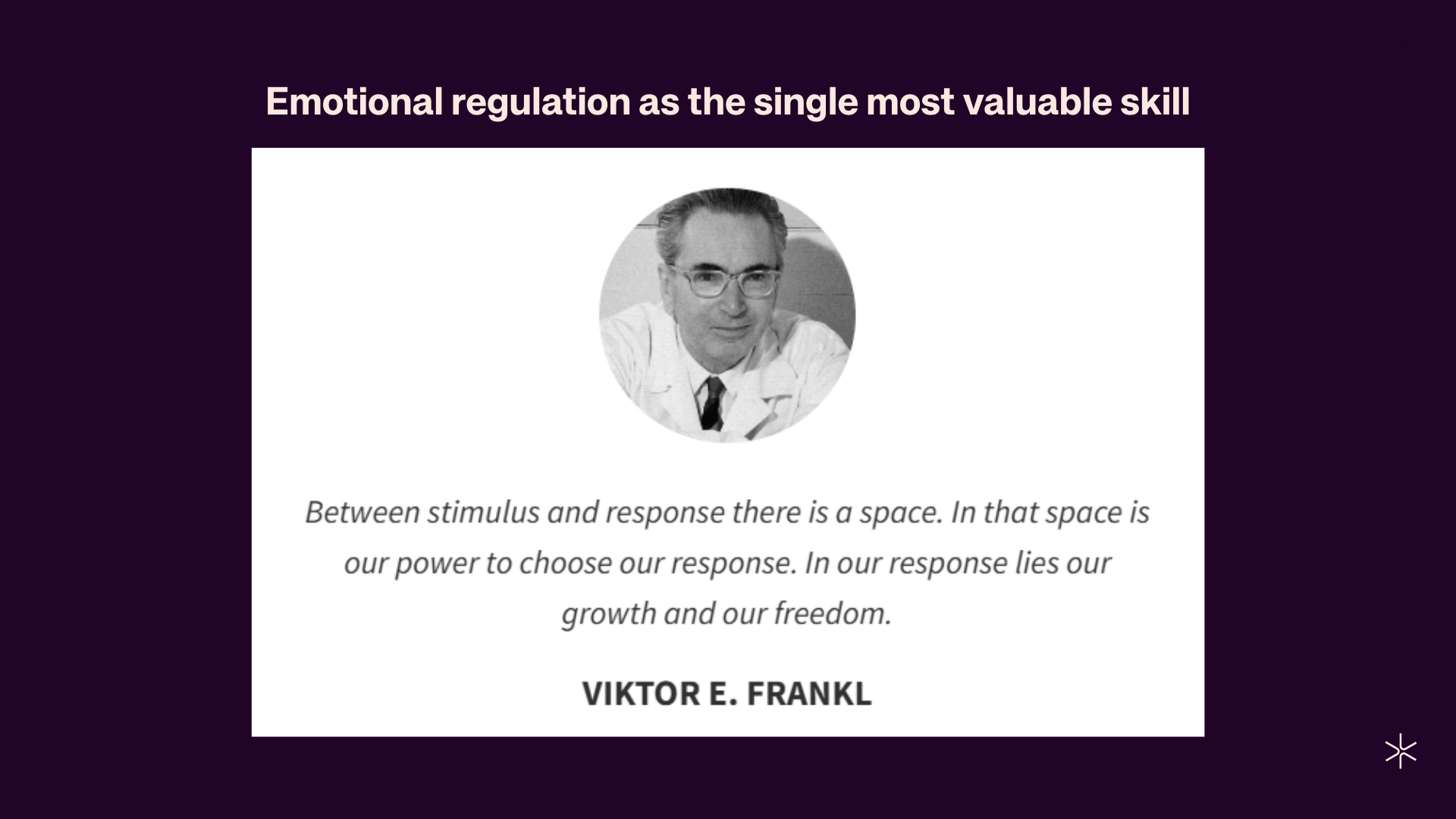
In a world filled with trending concepts and catchy terminology, emotional intelligence often gets reduced to a buzzword – mentioned frequently, practiced less intentionally. Yet, as we explored in our recent internal Soft Skills session led by Tsvetana Stefanova Ignatova, People & Culture Generalist, emotional intelligence remains one of the most overlooked, yet impactful, skills we can develop, both professionally and personally.
Why Emotional Intelligence Matters
Tsvetana opened the session by acknowledging something many of us quietly feel: emotional intelligence is talked about a lot, but rarely explored deeply enough. Much like AI today, it’s a popular term, yet its true value lies in everyday application, not theory.
It influences how we:
- Make decisions under pressure
- Communicate in challenging situations
- Navigate relationships
- Regulate stress and emotional responses
- Grow through change and uncertainty
And unlike technical skills, it isn’t something we “complete” or perfect.
Emotional Intelligence in the Workplace
Beyond personal growth, emotional intelligence has a direct and measurable impact on workplace performance. It shapes how we collaborate, handle feedback, manage conflict, and lead through uncertainty. During the session, Tsvetana highlighted the four core components of emotional intelligence: self-awareness, self-regulation, motivation, and empathy. Together, these skills influence everything from the quality of our decisions and team dynamics to our ability to stay resilient under pressure.
As one of the key takeaways from the session put it: “Emotional intelligence is not about controlling emotions, but about understanding them and using that understanding to act more intentionally.” When practiced consistently, these components help create healthier communication, stronger relationships, and a work environment where people feel heard, trusted, and empowered to perform at their best.
Simple Practices That Make a Real Difference
Toward the end of the session, the conversation shifted from theory to everyday tools. Participants shared small, accessible practices that help manage emotions and mental well-being:
- Breathing and pausing, even for a few moments
- Physical activity, no matter how brief
- Listening to music to process emotions or regain balance
- Dancing freely, even for just a few minutes at home
As one participant noted, music can help us relate to emotions, find inspiration, or simply reset our mindset. These small acts, while simple, create space for emotional regulation mentally, emotionally, and physically.
A Work in Progress – For Life
One of the most important takeaways from the session was a reassuring one: even those deeply experienced in psychology and self-development struggle. Emotional intelligence evolves as we do. As we become more self-aware, we often face new, sometimes bigger, challenges. And that’s growth.
As Tsvetana shared, this journey is lifelong. There is no final level to reach, no moment where emotional intelligence is “completed.” Instead, it’s a continuous practice of reflection, awareness, and doing our best, day by day.
The Role of Relationships
The session concluded with a powerful reminder: relationships play a central role in our emotional lives. How we relate to others (colleagues, friends, partners) often determines not only our professional success, but our overall sense of fulfillment and happiness.
Emotional intelligence, in this sense, becomes less about managing emotions and more about understanding ourselves in connection with others.
Final Thoughts
This session wasn’t about offering perfect formulas or quick fixes. It was about normalising the process, the ups and downs, the learning curves, and the shared human experience of trying to do better.
Because emotional intelligence isn’t something you master once. It’s something you practice – for life.
For more topics like this, explore the rest of our blog posts here.